
Commercial Solar
-
Grid-Scale Energy Storage For A Sustainable Future
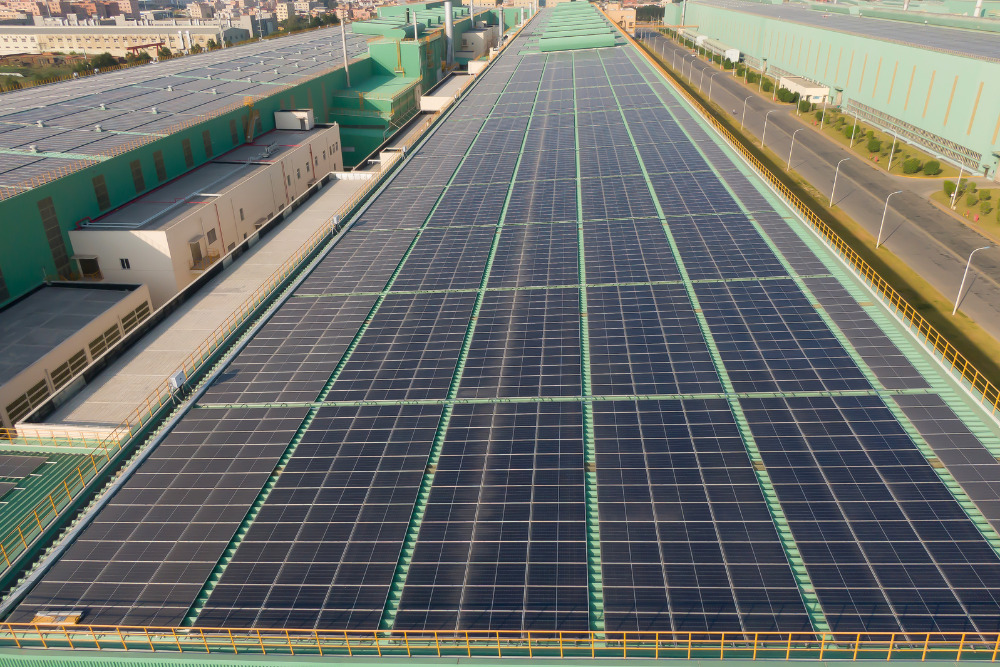
Grid-scale energy storage has emerged as a game-changing battery technology solution to overcome the unpredictable nature of renewable sources like solar and wind. As we continue to find solutions to climate change and transition to cleaner and more sustainable energy sources, grid-scale energy storage has emerged as an innovative and promising solution. With the integration
Read More -
How Big Are Commercial Solar Panels?
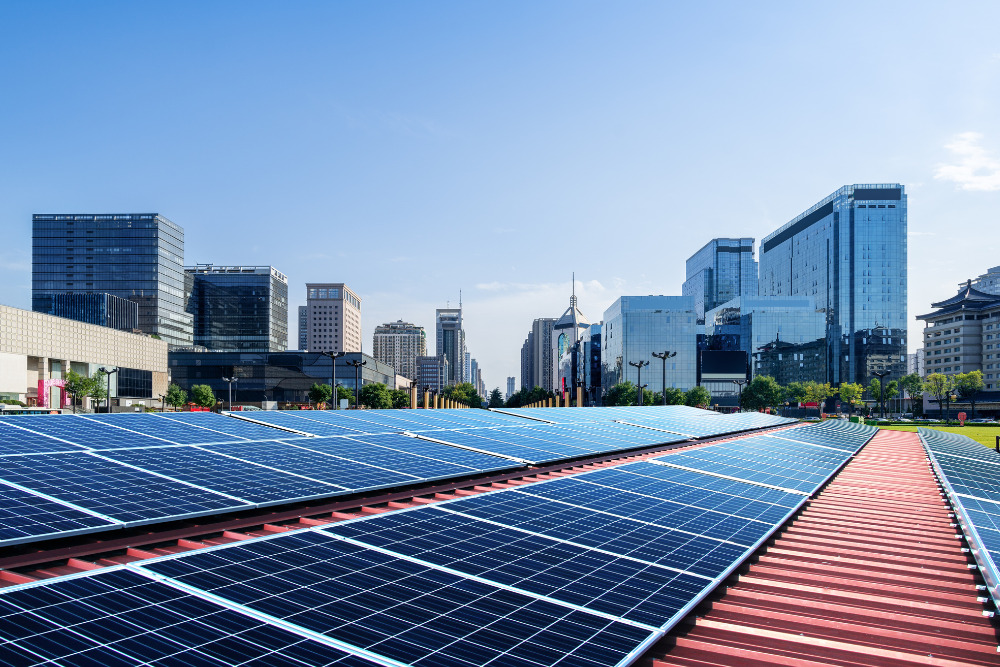
Most commercial panels contain 60-96 photovoltaic cells, though there are some larger ones typically reserved for utility-scale applications. The size of solar panel you need will be based on your installation space and energy needs. When installing a commercial solar panel system, the size and weight of the panels is an important consideration. The panels
Read More -
What are the best commercial solar panels?
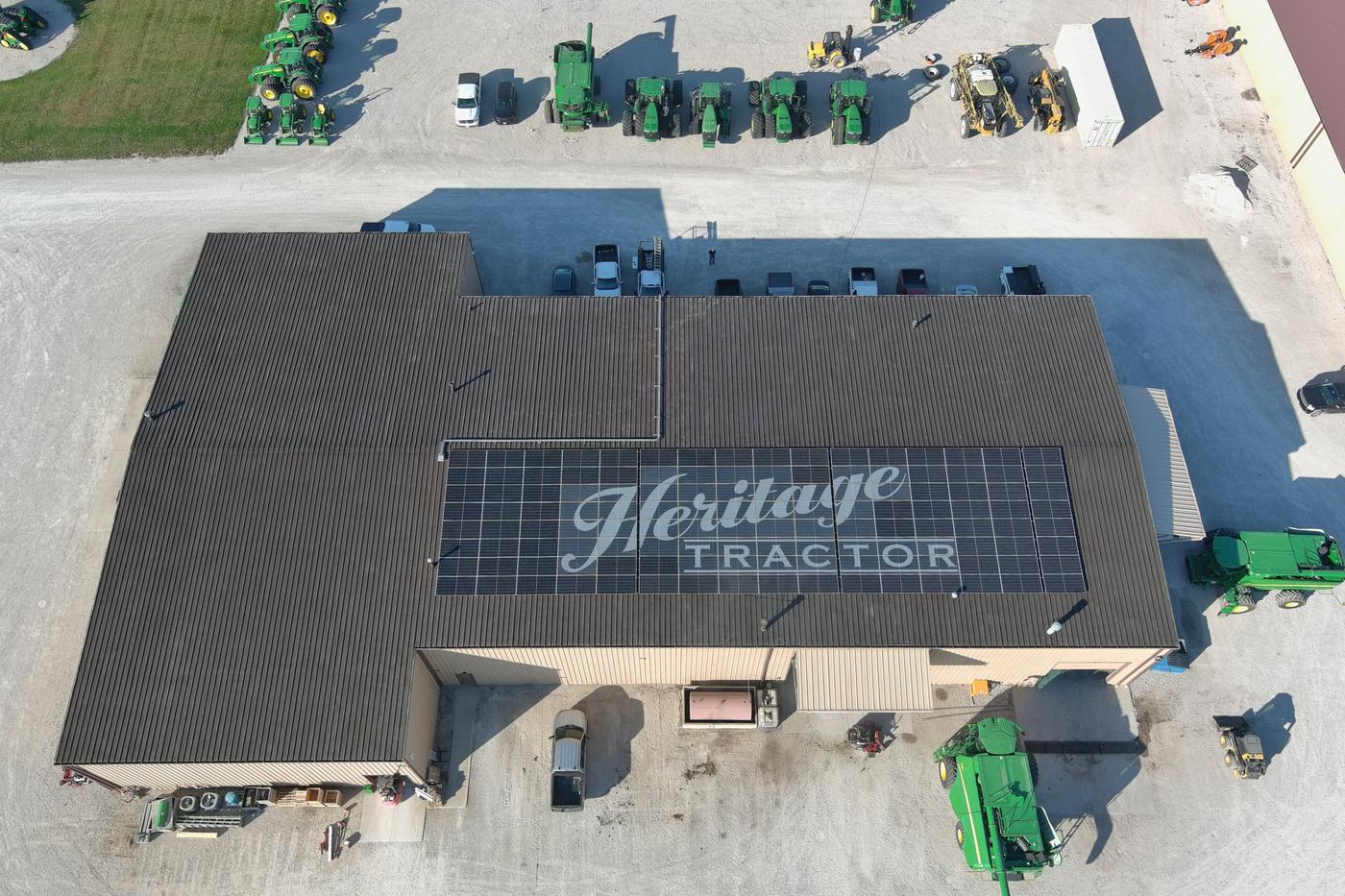
There’s no single best panel. For most commercial projects the short list is monocrystalline panels, the most efficient type on the market, from established makers such as Longi, Hanwha Q Cells, Canadian Solar and Trina, compared on efficiency, warranty and, under the 2025 tax law, where they’re made. Whichever you pick, SolarSkin can put your
Read More -

How Long Do Commercial Solar Panels Last?
Commercial solar panels can last for 25-30 years, though some of the first solar panels are still in commission more than 40 years later. The lifespan of a solar panel depends on the type of the panel, climate, and how well it’s maintained. When investing in a commercial solar energy system, one of the biggest
Read More -

Solar panel financing for nonprofits: direct pay and the 2027 deadline
Nonprofits can still get the federal solar credit, as a payment. Elective pay, also called direct pay, survived the 2025 tax law and covers 30% of eligible costs for projects under 1 megawatt or that meet the labor rules. The deadline doesn’t bend for nonprofits: a project that begins construction after July 4, 2026 has
Read More -
Solar For Hotels And Resorts
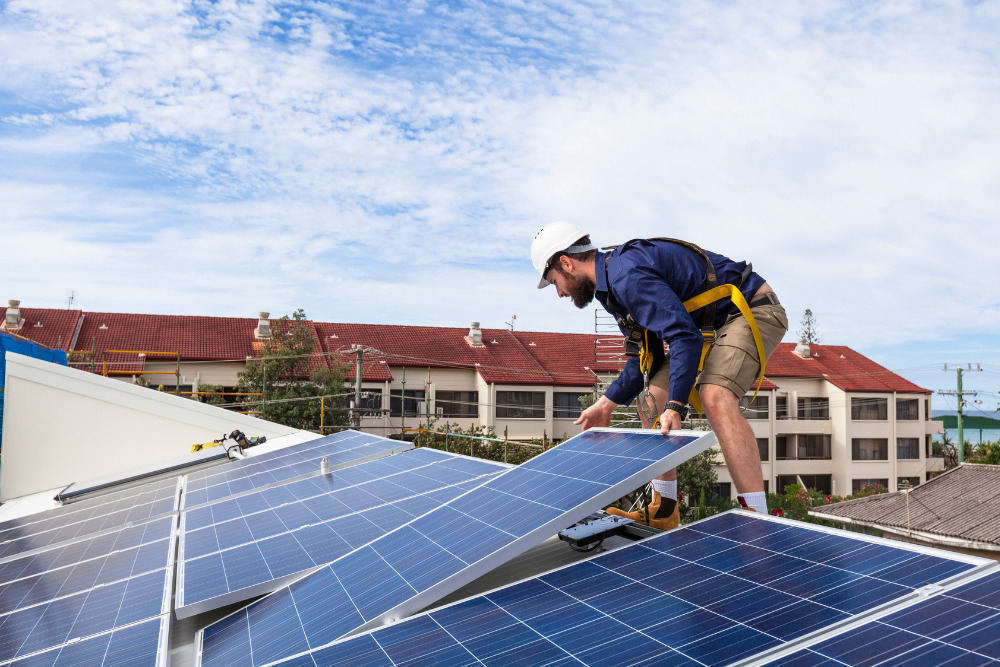
With trends in environmental consciousness, hotel owners are shifting to solar energy systems to power their facilities. And this opens doors for numerous benefits like cost savings on electricity, improved customer experiences, and enhanced brand image. The hospitality industry is one of the sectors with the highest energy demand. Hotels and resorts need massive energy
Read More -
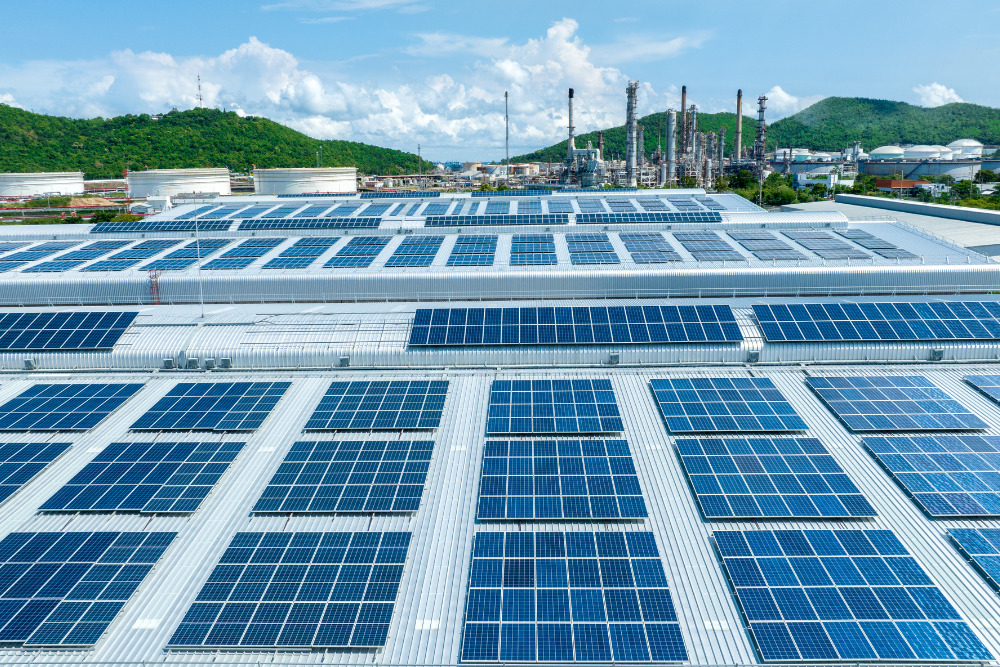
Solar Energy For Warehouses & Distribution Centers
Warehouse roofs are excellent spaces for solar installations since they’re flat, have large surface areas, and are exposed to direct sunlight. But, can you power a factory with solar alone, and how much does it cost? Large commercial facilities can’t ignore fossil fuels’ contribution to climate change, so shifting to sustainable energy is the way to
Read More -

What Are The Different Types Of Commercial Solar Panels?
Typically there are four types of commercial solar panels: monocrystalline solar panels, polycrystalline solar panels, thin-film solar panels, and PERC solar panels. All solar panels work by converting the sun’s photons into electrons that are then converted from DC to AC power by an inverter. Solar panel efficiency depends on the manufacturing process, materials used,
Read More -

How Efficient Are Commercial Solar Panels?
The efficiency of commercial solar panels typically ranges from 15% to 20%, and some can reach up to 25%. Solar technology has had many advancements over the years, and researchers continue to perform tests and push for even greater efficiency of solar panels and energy output of commercial solar systems. How Is The Efficiency Of
Read More -

How Much Do Commercial Solar Panels Cost?
The average cost of a commercial solar panel system is around $2-$4 per watt. The cost of commercial solar panels depends on the type of panels used, the system size, and the business location. A 100 kW system costs between $200,000-$400,000. Commercial solar power systems (photovoltaic systems) have gained popularity as businesses increasingly seek sustainable
Read More