
Solar 101
-

Agrivoltaics: The Intersection Of Solar Energy & Agriculture
Renewable energy from solar panels allows farmers to be more in control of their energy sources and their expenses. Agrivoltaics cut down on operation costs, create clean energy for sustainability in operations, and can even increase crop yields. What Is Agrivoltaics? Agrovoltaics is the use of agricultural land for livestock, crop production, and pollinator habitats
Read More -
How Solar Panels Help Conserve Water
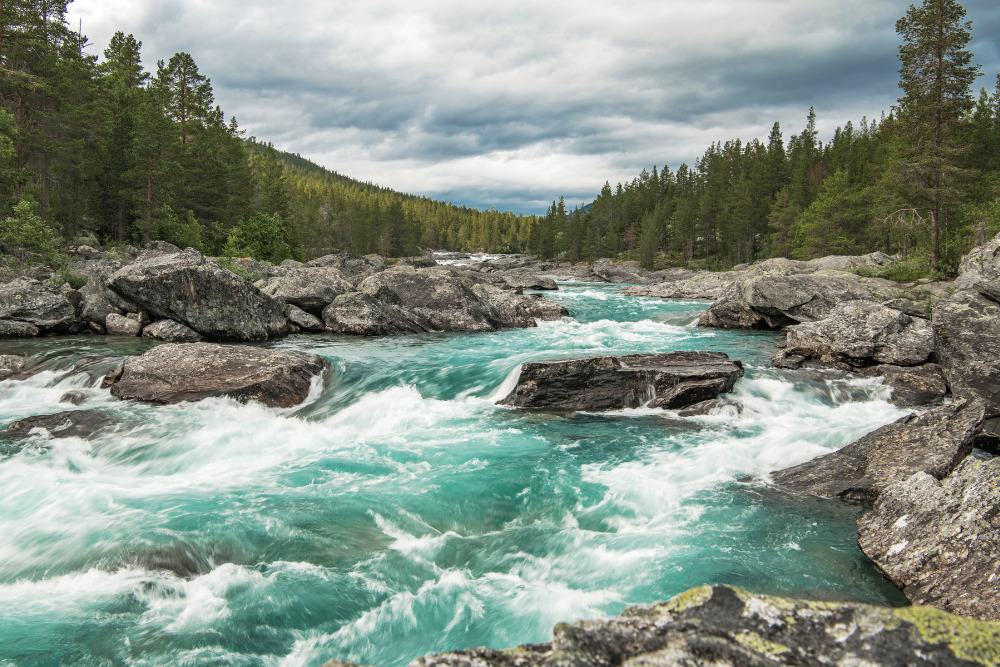
Traditional thermoelectric power plants use a lot of water for cooling. Conversely, solar panels can help conserve water once operational, making them a long-term water-saving solution. How Much Water Do Solar Panels Use? The only time solar panels use water is during the manufacturing and maintenance processes. Otherwise, they do not use any water. Because
Read More -

Sustainable Solar Panel Land Use
In just five minutes, enough sunlight shines on the continental United States to power the country for an entire month. The challenge is the land footprint needed to install enough solar panels to capture the energy. Careful planning and creativity are needed to create sustainable land use. Solar Panel Land Use Applications When it comes
Read More -
Solar Energy Research And Development
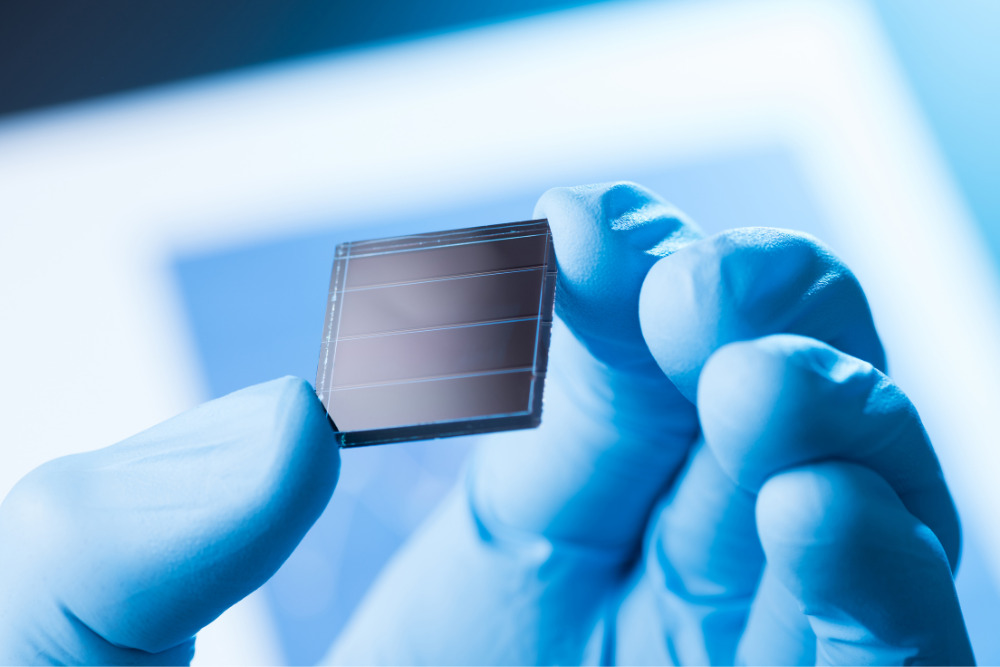
Being the most popular renewable energy source, global governments have invested in research and development to reduce costs, improve technology, increase efficiency, and ultimately expand the adoption of solar. Why Is Solar R&D Important? Solar research and development (R&D) is critically important for several reasons, including advancing technology, improving efficiency, reducing costs, and addressing environmental
Read More -
Solar Power Vs. Fossil Fuels: The Future Of Our Environment
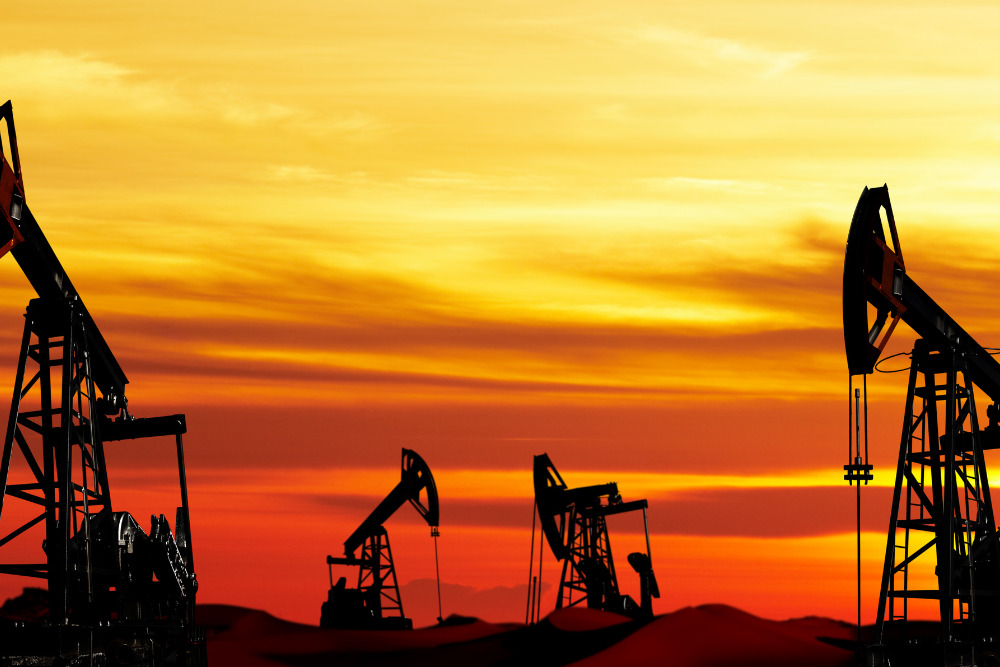
What does the future of our energy landscape look like, and is there a possibility of a complete transition away from fossil fuels in favor of renewable solar power? The energy sector plays an important role in the ongoing fight against climate change. As we become aware of the environmental impact of fossil fuels, the
Read More -
What Is The Carbon Footprint Of Solar Panels?
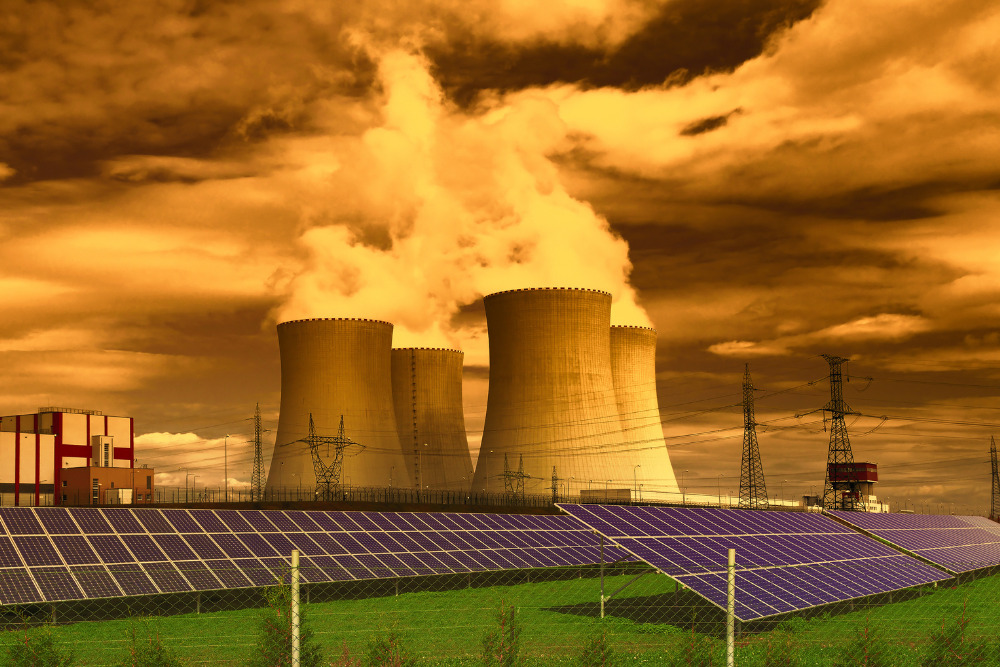
Consumers recognize the economic benefits of solar energy systems, but what does a solar panel carbon footprint look like? How “green” are they really, and are they the ultimate solution in reducing greenhouse gasses associated with fossil fuels? What Is A Carbon Footprint? A carbon footprint is the total amount of carbon dioxide and other
Read More -
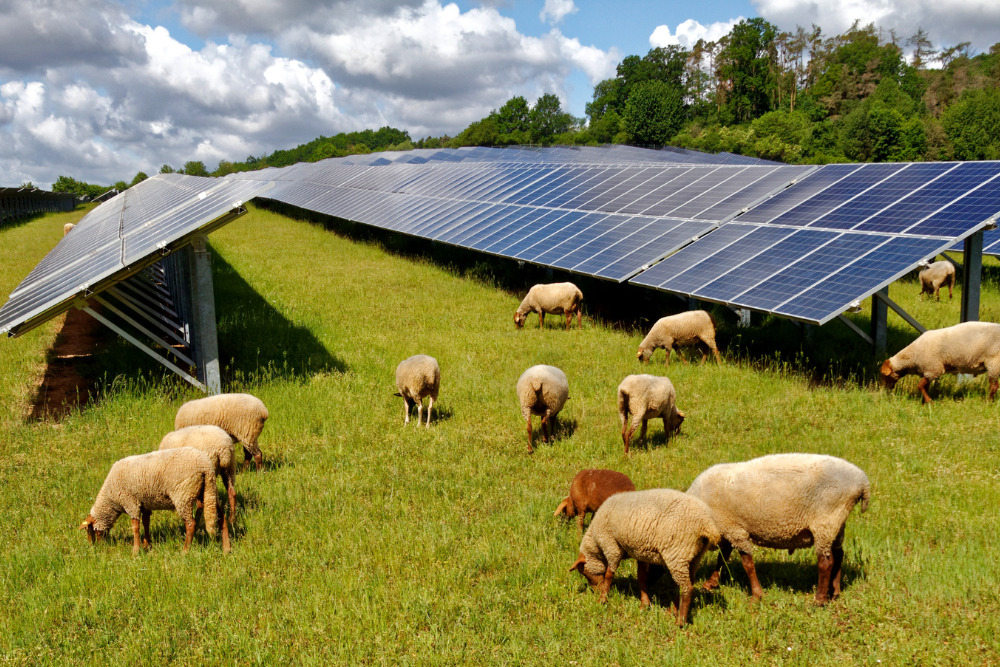
Are Solar Panels Bad For Wildlife?
While the economic and environmental benefits of solar energy are evident, it’s unclear how it affects the natural ecosystems, begging the question–is solar energy bad for wildlife? Utility-scale photovoltaic systems have both negative and positive impacts on wildlife that must be weighed. How Solar Farms Impact Wildlife Solar development is an excellent way to
Read More -
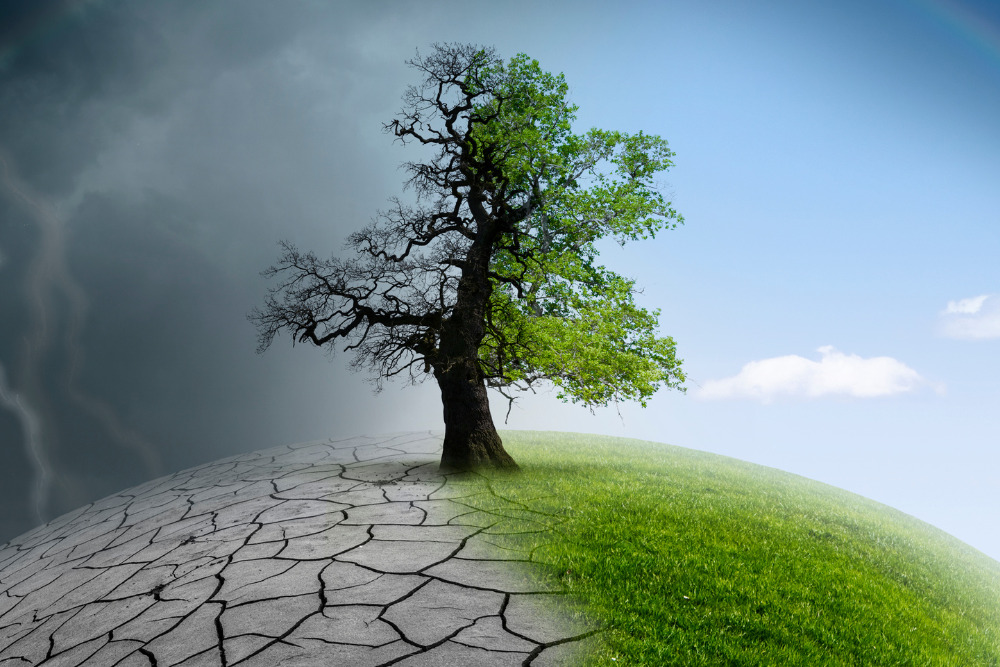
Can Solar Power Help Reverse Climate Change?
Renewable energy sources are key to fighting climate change. Solar power is a standout energy source due to its potential to reverse climate damage. Solar power harnesses the sun’s energy to reduce carbon emissions, mitigate environmental impact, and drive a more sustainable future. Research from institutions like the National Renewable Energy Laboratory and the Environmental
Read More